
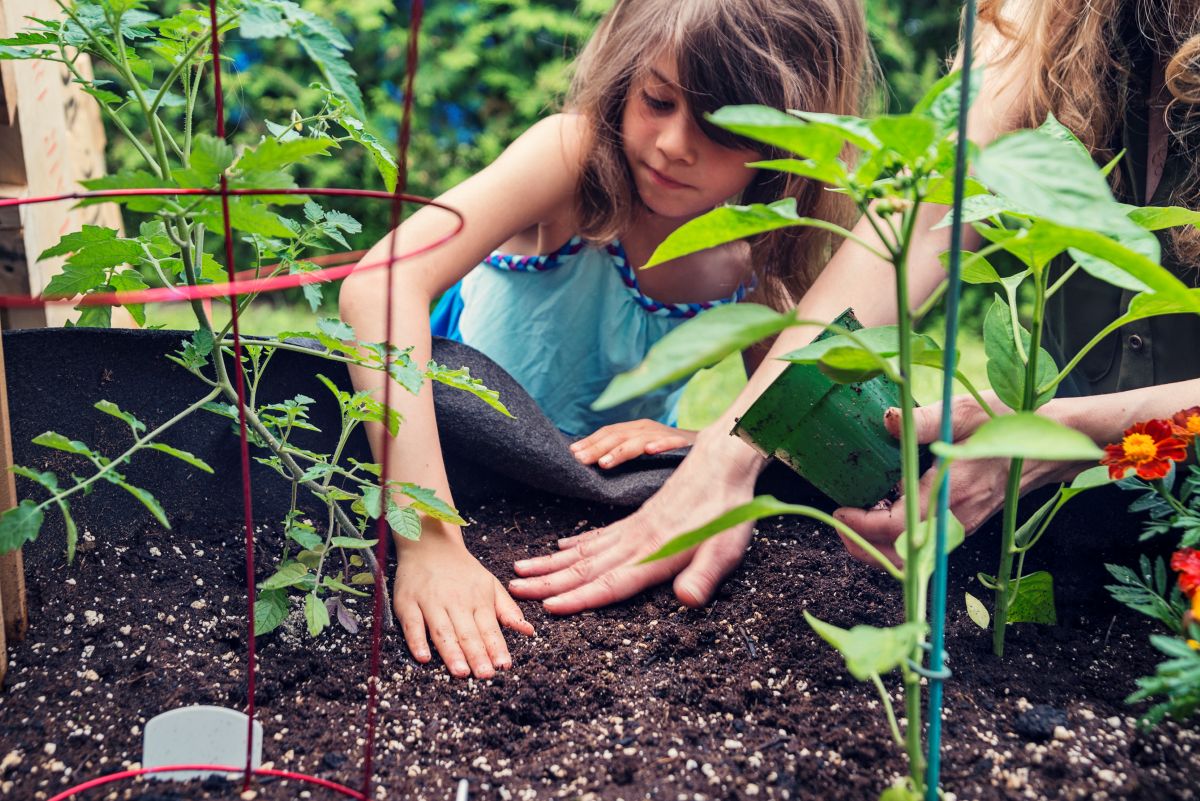
Veggie and herb gardening is one of the easiest ways to get kids outside, learning, and excited about a long-term project. It’s hands-on, a little messy, and incredibly rewarding.
The best part? Kids get to watch something grow because of their effort…and eventually eat it.
Gardening with children doesn’t need to be complicated or time-consuming. With a little guidance, kids of almost any age can help plan, plant, water, and harvest. Along the way, they learn responsibility, patience, and where their food actually comes from.
If you’re wondering how to introduce kids to gardening in a way that keeps them interested, here are some simple ideas that work.
How Do You Get Kids Interested in Gardening?
The best way to get kids excited about gardening is to make them part of the process from the beginning. Let them choose what to plant, give them their own tools, and turn garden care into a fun daily routine.
Children are far more invested when they feel like the garden is partly theirs.
Here are a few easy ways to get started.:
Give Kids Their Own Gardening Tools
Kids love having tools that are sized just for them. A small set of kid-friendly gardening tools makes the experience feel more official—and a lot more fun.
Children’s gardening sets are inexpensive and easy to find online or at garden centres. Let your child help choose the set, or surprise them with it before planting day.
You can also add plant markers so kids can track what’s growing where. Labeling plants helps younger children remember what they planted and gives them something to check on during each garden visit.
If you’re looking for a rainy-day activity, try making DIY plant markers together before planting season begins.
Make a Garden Plan Together
Planning a garden is one of the best ways to involve kids before anything even goes in the ground.
Start by choosing where your garden will live:
-
a small backyard plot
-
raised garden beds
-
patio containers or pots
Then sit down together and talk about what your family would like to grow.
Writing down everyone’s choices on a garden planning sheet makes the process feel like a real project. Kids love seeing their ideas turn into actual plants later in the season.
Tip: Order seeds or seedlings early in the season. Popular varieties often sell out quickly once gardening season begins.
Garden Checklist PDF Printable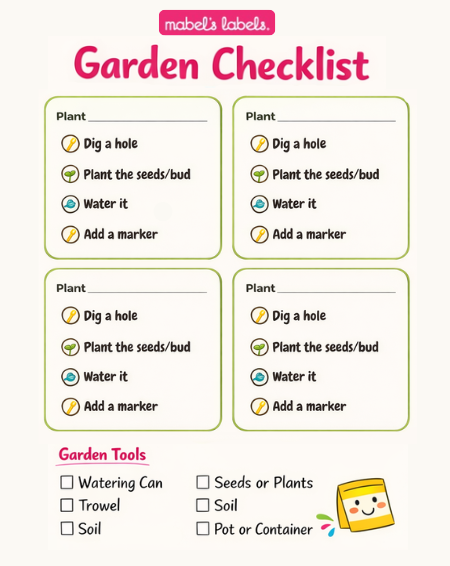
Let Kids Get Dirty!
One of the biggest reasons kids love gardening is simple: they get to play in the dirt! Digging holes, moving soil, watering plants, and pulling weeds are all sensory experiences that young children naturally enjoy.
Try to embrace the mess a little. Gardening is one of those rare activities where mud, dirt, and messy hands are part of the fun.
A few kid-friendly jobs include:
-
digging small planting holes
-
watering plants with a watering can
-
spreading soil in containers
-
checking plants for growth each day
Younger kids especially love having a “daily garden check” job.
Make Gardening a Fun Family Activity!
Gardening works best when it feels like family time instead of a chore. When you first plant your garden, walk kids through each step:
-
Planting seeds or seedlings
-
Watering the soil
-
Placing plants in sunny spots
-
Checking growth regularly
You can also turn it into a learning moment by talking about:
-
why plants need sunlight
-
how roots absorb water
-
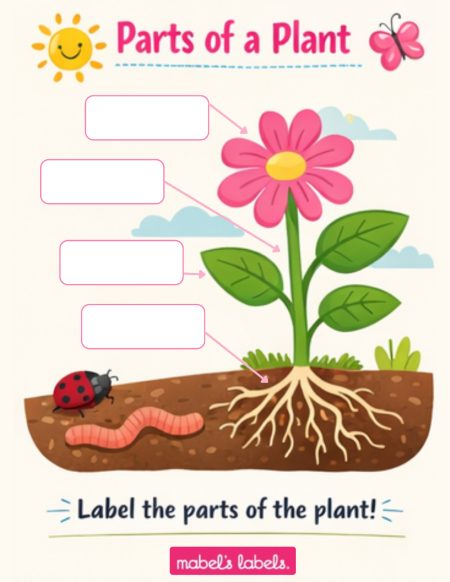
the different parts of a plant
Simple printables like plant diagrams or garden trackers can help younger children follow along.
Some families even set up a time-lapse camera to record plant growth. Watching a seed turn into a plant in a few seconds of video is surprisingly exciting for kids.
Talk about why your plants needs certain things, like water and sun, and talk about how you’ll care for them in the coming months. Talk about the parts of a plant so they feel informed and educated on what they’re doing. Here’s a colouring sheet you can use to help with that – Parts of a Plant PDF Printable
Teaching Kids About Healthy Eating Through Gardening
Gardening is also a powerful way to teach children about nutrition. When kids grow vegetables themselves, they gain a better understanding of where food comes from—and they’re often far more willing to taste it.
Research has shown that children who help grow fruits and vegetables are more likely to try them. Even picky eaters may become curious about foods they planted and cared for themselves.
Encourage kids to:
-
taste vegetables straight from the garden
-
compare flavours of different plants
-
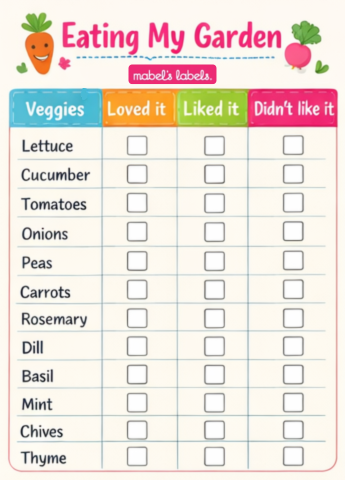
record which foods they like or dislike
Turning tasting into a small game or challenge can make it feel less intimidating for hesitant eaters.
Eating my Garden PDF Printable
Cooking With the Food You Grow
Once your vegetables and herbs are ready to harvest, the fun continues in the kitchen. Invite kids to help plan a meal using ingredients from the garden. Even simple recipes feel special when children helped grow the ingredients.
Some easy ideas include:
-
homemade pizza topped with fresh basil
-
salads with cucumbers or tomatoes from the garden
-
herb butter using chives or parsley
-
fresh salsa with tomatoes and peppers
When children participate in the full process—from planting seeds to preparing the meal—they often feel a huge sense of pride.
And that pride makes them far more likely to say, “I’ll try it.”
Why Gardening Is Great for Kids
Gardening with kids offers much more than fresh herbs and vegetables. It also helps children develop important life skills.
Benefits of gardening with children include:
-
encouraging outdoor play
-
teaching responsibility and patience
-
improving understanding of nutrition
-
building confidence through hands-on learning
-
strengthening family connection through shared activities
Most importantly, gardening helps kids slow down and observe the natural world around them—something that’s increasingly rare in busy, screen-filled lives.
