
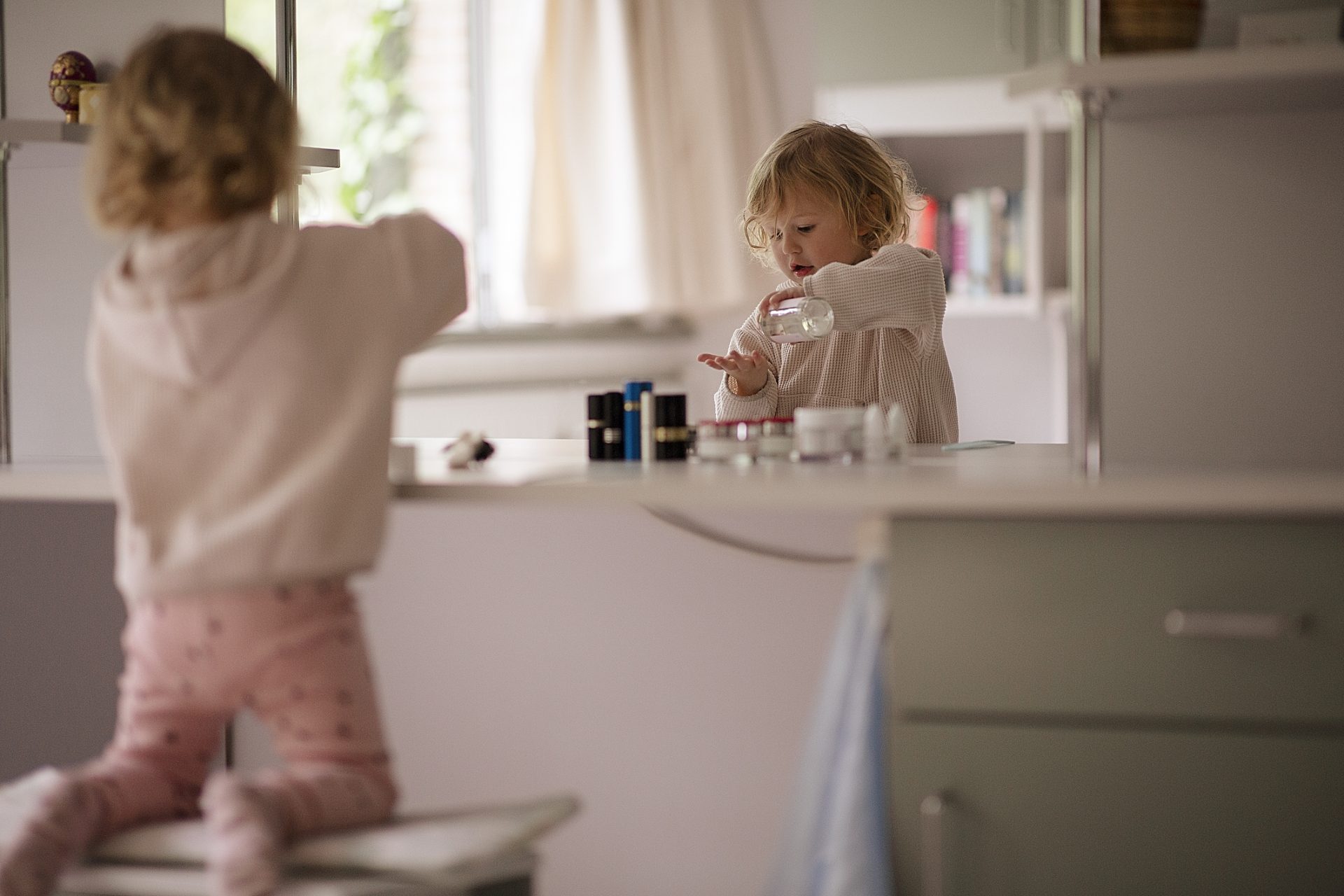
If you’ve ever tried getting a cranky preschooler to put on shoes, brush teeth, or leave the house, you know it can feel like chasing a bucking bronco. Chaotic, unpredictable, and sometimes downright impossible. But don’t worry. Preschool parenting doesn’t have to be a rodeo. With the right strategy, you can navigate daily routines smoothly, reduce meltdowns, and preserve your sanity.
Here’s the truth. Interacting with preschoolers requires strategy, preparation, and precision. Think of it as presenting a high-stakes proposal. You need to choose your words carefully, frame it in a way that appeals to them, and still make them feel like they’re in charge even though you’re running the show.
Based on years of real-life parenting experience, here are three key principles to get your preschooler on board.
1. Tone Is Everything
Your tone communicates more than your words ever could. A subtle shift in phrasing can turn resistance into cooperation.
What to avoid: Ending instructions with “okay?”
Example: “When Paw Patrol is over, we’re putting on your shoes, okay?”
Preschoolers hear “okay?” as a choice: “Do I get a say in this?” If you’ve got a schedule to keep, the answer is no. Asking for approval can unintentionally invite negotiation, stalling your plans.
Pro tip: Use gentle but firm language that signals the task is non-negotiable but still fun. For example:
-
“Time to put on your shoes so we can go outside.”
-
“Let’s brush our teeth before snack time.”
You can even make choices feel like a reward by giving limited options:
-
“Do you want the red socks or the blue ones?”
-
“Princess hat or Hello Kitty today?”
These small choices create a sense of control without derailing your schedule.
2. Phrasing Is Your Superpower
How you phrase instructions can make a world of difference. Preschoolers respond better to inclusive, collaborative language rather than bossy commands.
Use phrases like:
-
“Let’s go…”
-
“It’s time to…”
-
“We’re going to…”
Instead of:
-
“You have to…”
-
“Do you want to…”
For example:
-
❌ “Do you need to go potty?”
-
✅ “Let’s go potty before snack.”
These small tweaks create a friendly but firm approach that keeps your child feeling like a partner in the plan, not a reluctant participant.

3. Timing Is Key
Transitions are the hardest for preschoolers. Switching from playtime to bedtime or from TV to leaving the house can spark a meltdown if not handled with care.
Tips for smoother transitions:
-
Give advanced warnings: 5-minute, 2-minute, and 30-second warnings prepare them for the next step.
-
Be realistic: Know your child’s pace, hare or tortoise, and plan accordingly.
-
Move and talk: If questions arise, answer them while moving through the routine. For example, explain the winter jacket rationale while zipping it up instead of stopping for a long discussion.
Golden line:
“I cannot answer more questions until you are buckled into your car seat, tucked in bed, or sitting at the table.”
This sets clear boundaries without sparking a debate, keeping your routines efficient.
Bonus Tips for Staying Calm
-
Keep your cool: Preschoolers mirror your energy. Calm, confident leadership reduces resistance.
-
Have a plan: Show that you know what you’re doing. It reassures them and gives you control.
-
Pick your battles: Focus on the big wins, leaving the house on time or bedtime routines, and let minor annoyances slide.
Remember, any small setback can turn a docile toddler into a raging bull, so patience and preparation are key.
Preschool Parents’ Tips to Remember:
-
Tone matters: Avoid seeking their approval. Be gentle but firm.
-
Phrasing matters: Use “we” and “let’s” instead of “you have to.”
-
Timing matters: Give realistic transition warnings and move through tasks efficiently.
-
Extra tip: Offer limited choices to give a sense of control.
With these strategies, daily routines can go from chaotic rodeo to smooth sailing, making mornings, mealtimes, and bedtime less stressful for both of you.
