
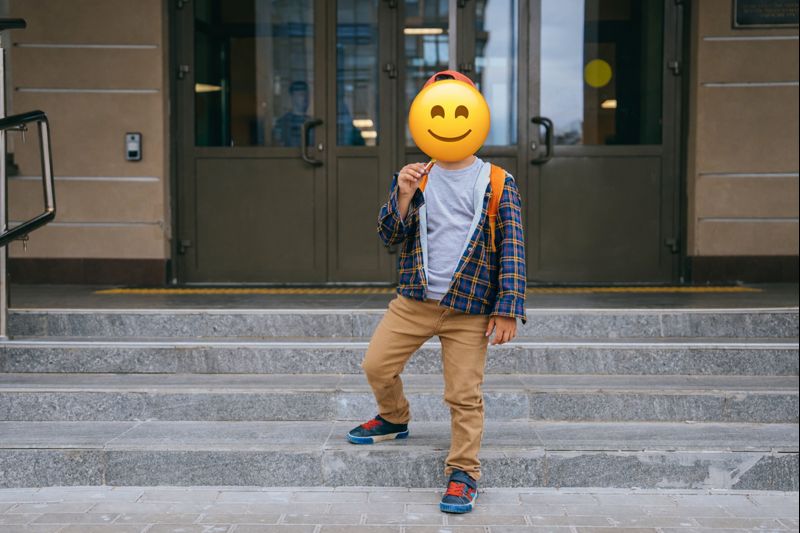
There was a time when sharing photos of our kids meant pulling out a phone at a family dinner and saying, “You have to see this.” Now it means tapping post and instantly sharing that same moment with hundreds, sometimes thousands, of people. That’s sharenting.
If you’ve never heard the term, don’t worry. You’ve probably done it. We all have. That first newborn photo. The missing-tooth grin. The back-to-school pic with the adorable, too-big backpack. Sharing our kids online feels joyful, normal, and honestly… kind of expected. But lately, parents are starting to ask a bigger question:
Just because we can share, should we?
What Is Sharenting?
Sharenting is the act of parents or caregivers sharing photos, videos, stories, or personal details about their children online. Sometimes it’s sweet or it’s funny, and it’s often deeply relatable.
While our intentions are almost always good, our kids don’t get a say. Their digital footprint starts long before they understand what the internet even is.
Why Sharenting Is Suddenly a Hot Topic
Conversations around sharenting have ramped up fast, even in the Mabel’s Labels office, we’ve often chatted about how we feel torn about it. Parenting groups, media outlets, and even lawmakers are questioning how much sharing is too much, and whether emojis, blurring faces, or hiding names actually protect kids’ privacy?
What’s driving the sudden shift in which so many parents are questioning whether to share their kids online?
-
Increased awareness of digital identity and consent
-
Concerns about data privacy and facial recognition
-
Kids growing up and saying, “I wish you hadn’t posted that!”
-
Parents realizing the internet never forgets, even when posts feel harmless.
It’s not about shame or guilt. It’s about awareness. And that conversation is starting to resonate with parents everywhere.
The Emotional Tug-of-War Parents Feel
Here’s the thing. Sharenting isn’t just about posting photos. It’s about connection. Many parents, especially those in the thick of early parenthood, share online to stay connected with family far away, or feel less alone during hard parenting seasons.
It’s fun to celebrate milestones that feel huge at the time and is a nice way to document memories we don’t want to forget. And all that matters. But, at the same time, there’s a growing discomfort bubbling under the surface. A quiet voice has been popping up lately that asks:
-
Would my child want this online forever?
-
Am I sharing this for them or for me?
-
Who will actually see this?
Let’s be honest: are we seeking connection, or a hit of dopamine?
That’s the piece we don’t always like to admit. When we post photos of our kids, and they get likes, hearts, and comments, our brains get a little dopamine hit too. It feels validating.
The question worth gently asking is whether we’re sharing moments for our kids, or whether we’re sometimes using those moments to fuel our own need for approval.
Do Emojis and Face Blurs Actually Protect Kids?
Blurring kids’ faces felt like the safety net. We get the best of both worlds; we can share our kids and what’s happening in their lives, but still keep their identity private.
One of the biggest debates right now is whether covering kids’ faces with emojis or blurring their features actually keeps them safe. Covering a child’s face with an emoji can feel protective, but it may not be the full solution we think it is.
AI technology is advancing quickly, and we’re hearing that even obscured images can still be analyzed, combined, or interpreted when paired with other information online.
Beyond just facial recognition, it’s the bigger picture that matters. A visible school name on their uniform, the front of a house in the background, a playground location, a birthday post, or a team jersey can all add up. Individually, they seem harmless. Together, they can quietly tell the story of a child’s life online.
-
Context still reveals a lot, including names, schools, and locations
-
Photos can still be saved or shared
-
Children may still feel exposed later, even without their face shown
In other words, it’s not a perfect solution, but it is a step toward being more intentional. And for many parents, intention is the real shift happening here.
Whose Story Is It?
At its core, sharenting forces us to confront something bigger: Who owns a kid’s story?
As parents, we’re the keepers of our kids’ early memories. But those stories eventually become theirs. One day, they’ll be old enough to see what was shared and form opinions about it. Some kids won’t care at all. But others might feel embarrassed, exposed, or misunderstood. And we won’t know which one our child will be until much later.
What Thoughtful Sharenting Can Look Like
There’s no one-size-fits-all approach, but many parents are shifting from automatic sharing to intentional sharing.
That might mean:
-
Sharing milestones, never meltdowns
-
Being mindful of names, locations, and school details
-
Asking (older) kids for consent before posting
-
Keeping some moments just for family
- Always getting permission from other families before posting group photos
The Bottom Line is Awareness
If you’ve shared photos of your kids online, you’re not doing it wrong. If you’ve never shared anything, you’re not doing it better. Sharenting isn’t about drawing a hard line. It’s about being aware that the digital world our kids are growing up in is very different from the one we did.
This isn’t about shaming parents who choose to share their kids online. Every family gets to decide what feels right for them. Some parents post freely, some rarely, and most land somewhere in between. The goal is not perfection or policing. It’s awareness. Pausing to ask yourself,
“Will my child thank me for this later?”
If the answer feels good, post away. If it doesn’t, it’s okay to keep some moments just yours.
You do you. Just with your eyes a little more open.
