
You’ve probably seen it trending on TikTok: low-dopamine parenting. The term gets tossed around as the “cool new way” to raise kids, but like most viral parenting ideas, it’s often misunderstood.
Here’s the truth: it’s not about being boring, outdated, or cruel. It’s about helping kids (and parents!) navigate the modern world’s sensory overload, screens, and overstimulation in a healthy, balanced, normal way.
What Is Dopamine?
Dopamine is a chemical in the brain that helps us feel motivated, rewarded, and focused. Think of it as your brain’s “feel-good messenger.” It spikes when you eat a tasty snack, win a game, or get praise, giving you a little burst of happiness or excitement.
Screens provide this same dopamine hit through bright colors, fast movement, notifications, and instant feedback: likes on social media, points in a game, or new content constantly appearing, giving the brain frequent bursts of stimulation. Too much of this constant dopamine can overstimulate the brain and make it harder to enjoy calm, quiet, or everyday moments.
Do Kids Actually Need Less Stimulation?
Yes, well, sort of… in moderation.
Our modern world is full of constant dopamine hits. Kids’ brains are wired to respond to that stimulation, but only to a limited extent. When it’s too much, too often, their nervous systems get overloaded.
Low-dopamine parenting is about intentionally slowing things down without removing joy. You’re not banning fun, you’re creating space for calm, boredom, and focus.
Think of it like this:
-
Instead of five different apps, one preferred activity at a time
- Choose interactive or creative screen activities over passive scrolling
-
Instead of TV on while they play on the ipad, select only one activity
-
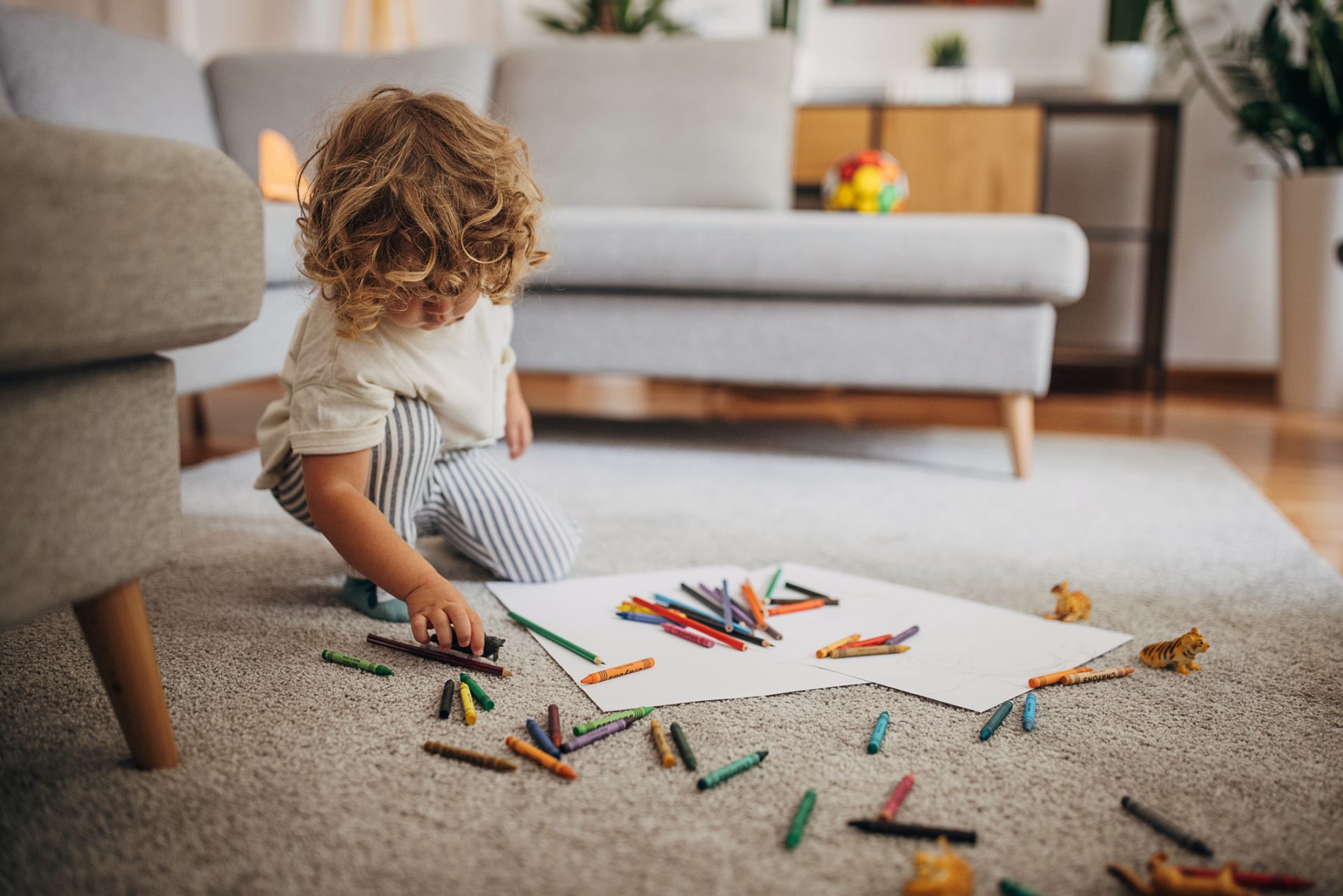
Instead of endless entertainment at their fingertips, try some free play
This doesn’t mean your house is dull. It means your kid’s brain gets room to process, regulate, and self-soothe.
Why Boredom Isn’t the Enemy
Here’s the thing: boredom is not a failing. In fact, it’s amazing for development and creativity. When kids experience calm or boredom, they practice problem-solving, learn patience and self-regulation… and eventually find something creative to do.
Parents often fear boredom means kids are unhappy, but kids are resilient. They learn to entertain themselves, explore ideas, and develop independence. So, avoid automatically handing over a screen when kids say, “I’m bored”
Balancing Screens, Play, and Calm
Low-dopamine parenting isn’t anti-technology or anti-fun. It’s about being intentional about how and when they get stimulation from screens
-
Screens: Set limits, but keep them meaningful and interactive
-
Play: Encourage open-ended play, outdoors if possible, and limit constant structured entertainment
The Neuroscience Behind Low-Dopamine Parenting
Our brains are wired to seek pleasure, but constant high-dopamine input can overstimulate the nervous system, making kids more reactive, impatient, and prone to meltdowns. Too much of a good thing…
Low-dopamine parenting is about giving their brains space to regulate itself. By intentionally lowering stimulation at certain times, kids learn to tolerate calm, focus longer, and develop emotional resilience.
7 Daily Low-Dopamine Resets for Busy Parents
Even small, intentional moments can make a huge difference in a high-stimulation world. Here are some ideas to incorporate low-dopamine parenting into everyday life:
1. Morning Calm Moment (5–10 minutes)
A quiet breakfast, without a screen. Maybe some light music.
2. Intentional Transition Time
Give a 5–10 minute decompression window between school and home activities. Don’t hand over the screen immediately.
3. Screen With Purpose
Choose interactive or creative apps and set timers to avoid endless scrolling.
4. Encourage Open-Ended Play
Provide materials without instructions, give craft supplies, and try not to intervene
5. Movement Breaks
Short indoor dance, stretching, or a quick outdoor break helps regulate energy.
6. Evening Wind-Down
Dim lights, read aloud, or play gentle music to signal calm.
