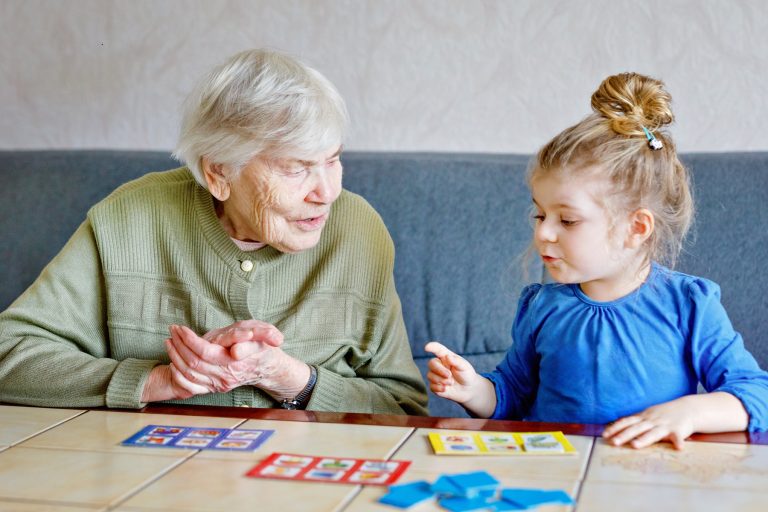
When a grandparent has dementia, kids may notice changes in their memory, behaviour or personality long before they understand what’s happening. Explaining dementia in an age-appropriate way can help them feel less confused, less scared and more prepared for changes in someone they love. If you’re part of the sandwich generation, hi, hello, I see you juggling kids, aging parents and a cold cup of coffee. 👋🏼 You’re navigating a lot, and figuring out how to talk to your kids about dementia is one more thing on an already very full plate. The good news? You don’t need a perfect explanation. You need honest, simple answers, room for big feelings and a few practical ways to help your kid stay connected with their grandparent. Here’s how to explain dementia to kids, support them through difficult moments and look after yourself along the way. What is dementia, and how does it…