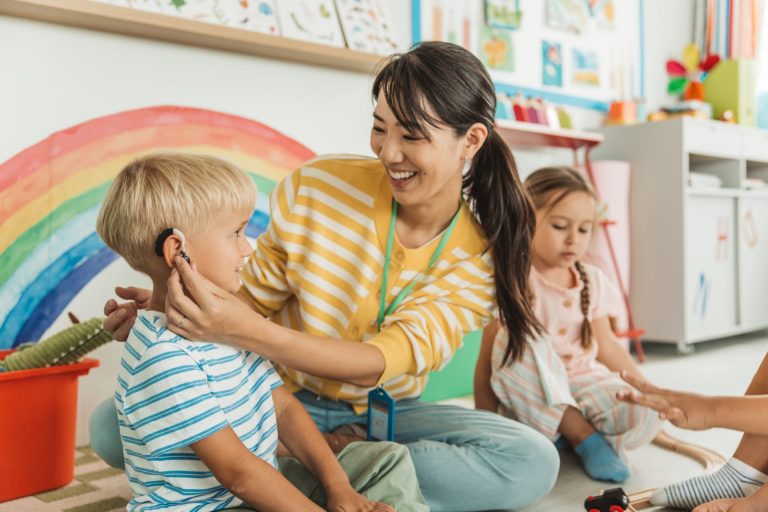
Is your child struggling to learn to read? Maybe they can read a word one minute but seem to forget it the next. Maybe they guess at words, struggle to sound out simple words, or become frustrated when it’s time to read. You may be wondering: Is this normal for their age? Could my child have dyslexia? What are the early signs of dyslexia? When should I be concerned about my child’s reading? How is dyslexia diagnosed? What can I do to help at home? Dyslexia can be difficult for parents to understand, especially when you’re watching your child struggle with something that seems like it should be getting easier. We asked Heather McNulty, a reading expert, to help explain what dyslexia is, what signs parents should look for, and what you can do if your child is having difficulty learning to read. And even if your child doesn’t have…
Updated May 2026. So you finally got the IEP signed, after weeks (maybe months) of evaluations, meetings, and hard conversations. You were told, “Now the support begins.” But what if the services don’t show up? What if the accommodations are forgotten, or your child is still struggling just as much? This is the part no one prepares you for: what happens after the paperwork is signed. An IEP is just a starting line, not a finish line. You need to know how to implement the IEP after it’s signed. While it’s a powerful legal document, it’s not a magic wand. Signing the paperwork doesn’t guarantee that every support will be delivered as written or that your child’s school experience will immediately improve. The real work often begins after that last signature. For many parents, the biggest surprise is realizing that getting the IEP approved was only step one. The harder…
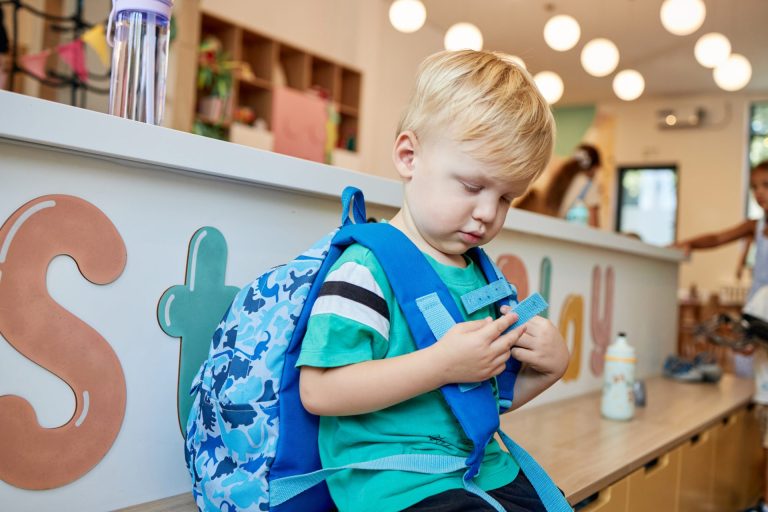
Starting kindergarten is a huge milestone for both kids and parents. One minute you’re buying a tiny backpack and practicing opening lunch containers, and the next you’re waving goodbye at the classroom door. While every school is a little different, one thing is almost always the same: kindergarteners have a lot of stuff. Between backpacks, lunch bags, water bottles, sweaters, indoor shoes, and extra clothes, it’s easy for belongings to get mixed up in a classroom full of little learners. A little preparation before the first day can make the transition much smoother. Before You Shop, Check the Supply List Every teacher has their own classroom routines, so start by reviewing your school’s kindergarten supply list. Many classrooms share supplies like crayons, markers, glue sticks, pencils, and scissors. While it might be tempting to label every single item, your teacher may actually prefer these supplies to stay unlabeled so they…
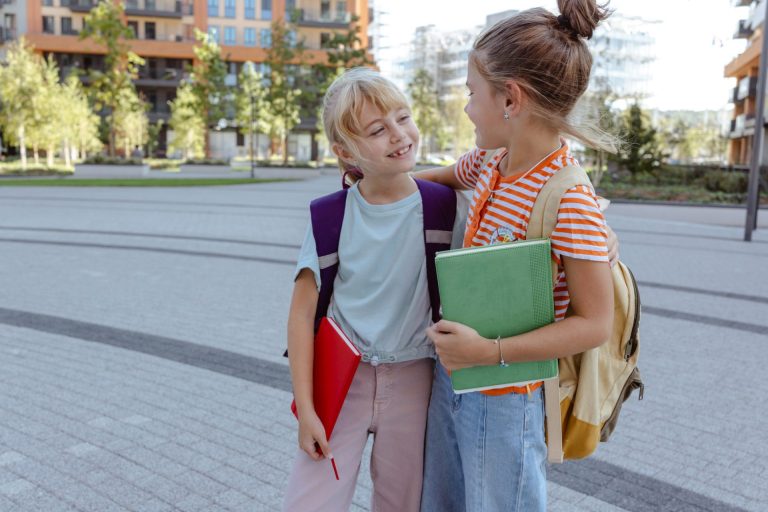
“My kid isn’t in the same class as their best friend.” Every August, thousands of parents gasp when they see the class list. It’s usually followed by a rush in internal questions, or reaching out to the group chat… “Should I ask the school to change it?” “Will my child be lonely?” “Did the school make a mistake?” If you’re reading this because the class lists just came out and your heart dropped when you couldn’t find your kid’s best friend on the same class list, I understand. I really do. Because I have two very different kids. Two Kids, Two Very Different Reactions One of them could walk into a room where she doesn’t know a single person and leave with three new best friends. She’s outgoing, confident and the kind of kid who can strike up a conversation with just about anyone. My other kid is different. She’s…
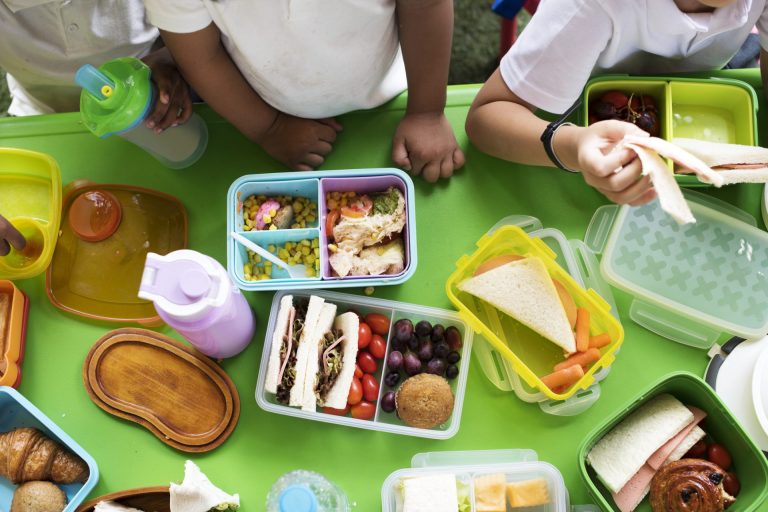
Because no one wants to be cutting cucumbers at 7 a.m. Equal parts necessity and battle of wills. You want to pack something healthy, your kid wants to avoid embarrassment, and ideally, nobody wants to be scraping off mashed banana from the bottom of a lunch bag on a Thursday afternoon. Whether you’re sending a picky pre-K or a growing Grade 2, a little planning goes a long way. Here’s how to make lunch-packing smoother, smarter, and dare we say, more fun? Lunch Packing Hacks You’ll Actually Want to Use Let’s be real. Packing lunch every day gets old fast. These tricks make it easier, faster, and way less wasteful. Stop Fruit from Browning If your kid loves apple slices but refuses to eat them once they turn brown, this hack will save you. Soak sliced apples or pears in salt water for about 5 minutes, then drain and dry…
New grade. New teacher. New drop-off line. Whether it’s starting Kindergarten or heading into a new school year, transitions can be a rollercoaster for young kids—and let’s be honest, for parents too. Oftentimes, we see this manifest as weird coping mechanisms in kids. If your child is suddenly clinging to an old sock or talking to themselves like they’re the star of a one-kid play, you might be wondering: Is this normal? The short answer? Yes. Totally. These weird coping mechanisms in young children are not only common — they’re developmentally expected. Here’s a closer look at the quirky, surprising ways kids handle big change — and why most of it is nothing to worry about. 1. The Transitional Object: Sacred Stuffy, the Random Rock You might notice your child gripping a random object on the way to school — a tiny stuffy, a beat-up rock from the backyard, or…
With our kids starting school in just over a month, many first-time Kindie moms are beginning to feel like they can’t be prepared enough for what is about to happen. From the emotional rollercoaster, the school lunches, routine changes, worries about our kids’ making friends, eating their lunch, and all the other elements of independence they’re about to embark on. It’s hard to know where to begin with getting our kids prepared. Here is how to prepare for Kindergarten: tips from a teacher and mom. The only thing most of us know for sure is we’re about to be a sobbing mess on that first day of school. Have I prepared my little one for this? We asked Kindie parent and teacher, Ms. McNulty, what tips she would give to other parents. What does she expect kindies to know on the first day of class, and how she’s preparing her…
Every year, back-to-school sneaks up on me. Suddenly, we’re knee-deep in packing lunch, late-night cheer practices, and stinky gym clothes. And in chaos, something always gets sacrificed. Usually? Sleep. But not this year! This year, I’ve declared sleep our back-to-school priority. That means no more late-night math marathons or cheer practices that run into bedtime. We’re choosing rest—because well-rested kids (and parents) are simply better humans. How I got Here – Prioritizing Sleep Changed Everything in Our House this Summer I’ll admit it—I used to treat summer like one big free-for-all. Bedtimes were “suggestions,” screens were everywhere, and we were always cramming in “just one more thing.” But this summer, I decided to test a theory: What if we actually slept? So we did. No more late-night chaos, no more overstimulation. Just earlier wind-downs and consistent bedtimes—for all of us. And you know what? The change was instant: Mornings got…
You’ve done the school supply haul. You’ve labeled everything (yay!) You’ve taken the “first day of school” photo (three times because they blinked). And now… you wait. What no one really prepares you for? The emotional, behavioral, and even biological whirlwind your child is about to enter. That first month of kindergarten can feel like your once-sweet kid morphed into a mix of a gremlin, a teenager, and a baby giraffe learning to walk—all rolled into one adorable tornado of a kid. 1. Expect the After-School Meltdown They held it together all day. And now? You’re the safe zone- they unleashed the after-school restraint collapse. Your kindergartener may walk through the door and crumble: tears, attitude, dramatic declarations like, “I’m NEVER going back!” This is normal. School requires them to regulate all day—sitting still, sharing, remembering routines. When they get home, the emotional floodgates open. How to help: Don’t pepper…
Why is Homeschooling Still a Hot Topic? Back-to-school season comes with sharpened pencils, nervous energy, and, for some families, raised eyebrows. While homeschooling has been steadily growing for years, there’s still an air of “Wait, you do what now?” around it. Why does homeschooling still feel controversial? Even in 2025, when flexible learning options are more accessible than ever, homeschooling can trigger strong opinions. Some people assume it’s a lifestyle only for the ultra-crunchy. Others question whether kids will grow up lacking social skills or basic math. And let’s be honest, there are still folks who picture homeschooled kids churning butter in Little House aprons and bonnets. Spoiler: that’s not the reality for most families. Where the Stigma Comes From Let’s rewind. Historically, homeschooling was often associated with fringe ideologies, mistrust of public education, or families seeking to avoid curriculum they didn’t agree with. In other words—it got typecast. Even…